Uzbekistan eager to buy Halal food from Balarus

Uzbekistan is interested in enabling direct purchases of Belarusian agricultural products certified for compliance with Halal standards, BelTA learned from representatives of the Belarusian State Metrology Institute after an Uzbek delegation visited the institute to discuss quality control and cooperation.
The delegation met with the institute’s Director Valery Gurevich and Deputy Mufti of the Muslim Religious Association in Belarus, Director of OOO BelHalal Rustam Khasenevich. The delegation also visited the lab that tests food and agricultural products. An agreement was reached that specialists of the institute will examine all the products before they are shipped to Uzbekistan’s largest retail chain.
The test lab of the Belarusian State Metrology Institute allows performing analytical control using the most precise modern methods. Various branches specialize in microbiology, parasitology, GMO, radiometry, immune and ferment analysis, ion, gas, and liquid chromatography, and other areas of quality control. Cooperation has been established with the country’s leading companies to monitor various quality, authenticity, and safety parameters.
The lab offers its services to about 60 Belarusian food producers. About 95,000 tests of 8,100 samples of all kinds of products are performed every year. The number of tests has nearly doubled in the last five years.
The international accreditation of OOO BelHalal in association with the Belarusian State Metrology Institute was finished in late 2018. OOO BelHalal was added to the registry of the Emirates Authority for Standardization and Metrology (ESMA).
Saudi Arabia inspects Ukrainian chicken producers

A mission from Saudi Arabia has inspected Ukrainian poultry meat producers regarding their compliance with Saudi Arabian requirements, the press service of the State Service of Ukraine on Food Safety and Consumer Protection has reported.

“A delegation of the competent authority for the control of food safety and medicines of the Kingdom of Saudi Arabia (KSA) stayed in Ukraine between July 21 and July 26, 2019. The mission inspected domestic producers of poultry meat and products from it, which were approved for export of these products, regarding their compliance with the requirements of the KSA,” the statement said.

It notes that as part of their visit to Ukraine, mission representatives paid attention to the issues of state control at poultry production, slaughter and processing facilities, the system of product certification and traceability, the system of inspection of poultry meat, and the program for monitoring microbiological indicators, chemical residues.

The mission will draw up an official report and send it the State Service on Food Safety and Consumer Protection.

According to the State Fiscal Service, Ukraine exported 211,189 tonnes of poultry meat and poultry meat products for $307.145 million in January-June 2019, including to Saudi Arabia for $76.193 million.

Muslim Council of Britain Calls for Halal Vaccine

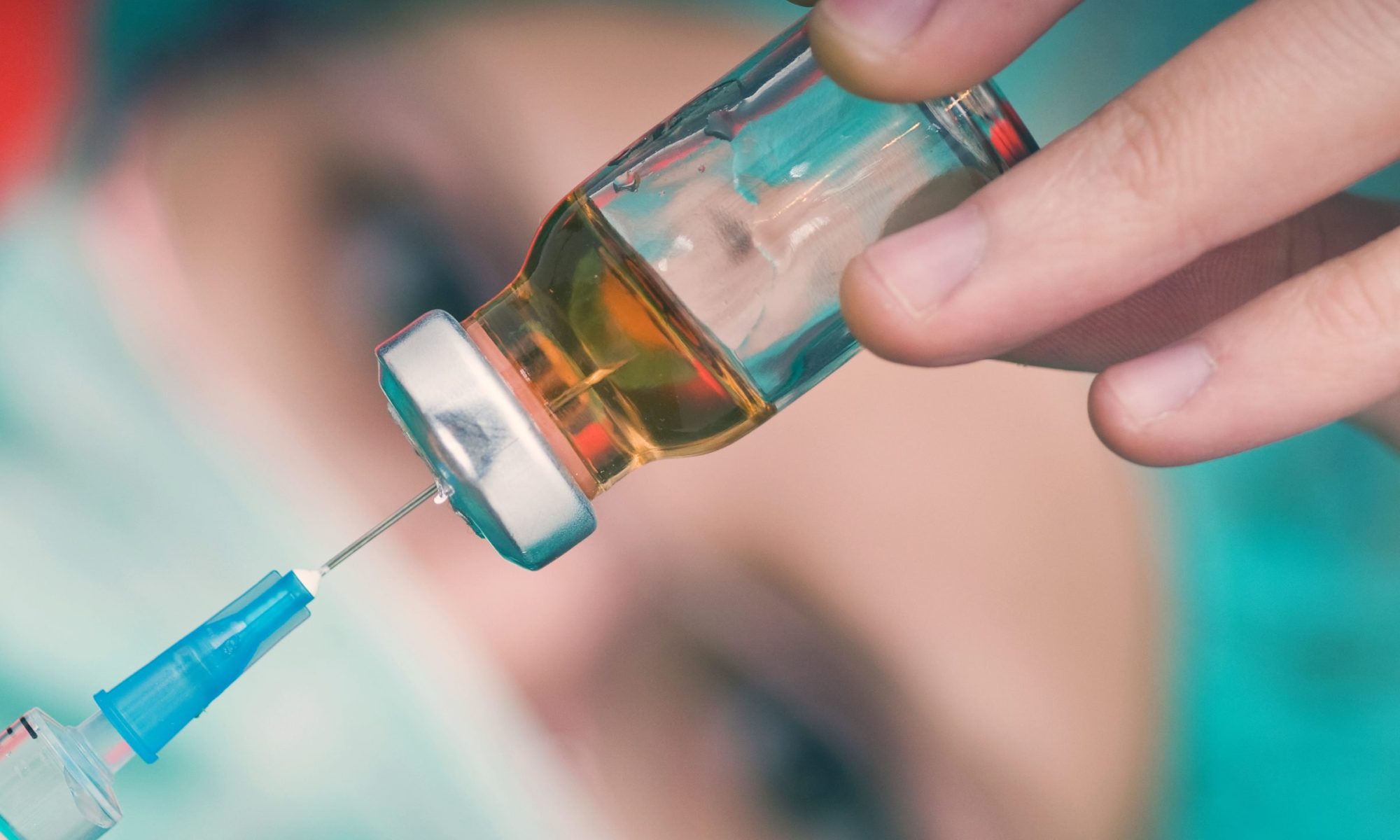
Rabat -The Muslim Council of Britain (MCB) is calling for the development of a halal vaccine after the UK government said the current vaccine is unpopular in Muslim majority areas.

The council said that Fluenz is not halal as it contains gelatin from pigs. Fluenz, a nasal spray that prevents the flu, is set to be given to every healthy child of primary school age in England.

The council also told the Telegraph today, July 29, that it was advising imams to tell parents that Fluenz is “not acceptable in Islam.”

“We have consulted the scholars and this is their view. Since then we have been giving people the information so that they can make their judgment,” said Dr. Shuja Shafi, the chairman of the MCB’s research and documentation committee.

“We need another vaccine which is halal and can be offered to all. We urge the government and the industry to make this happen,” he added.

Since the statement from MCB, Public Health England (PHE) has expressed fears over the number of parents withdrawing their children from the vaccine program since the Muslim Council of Britain made its announcement.

The Royal Society for Public Health backed the MCB’s statement, urging the government to offer a halal alternative vaccine acceptable to Muslims as the situation “adds to the risk of major flu outbreaks.”

PHE said there are no “suitable alternatives” to Fluenz “for healthy children.”

While there are currently injectable flu vaccines available that do not contain gelatin, they are not as effective and are “only recommended as part of the program for children and adults who are at high risk of the complications of flu.”

England’s National Health Service (NHS) is urging Muslim parents to consider making an exception because the vaccine can be “considered different from ingesting food.”

It pointed out that the many Jewish communities, who do not consume pork either, have said the spray is acceptable because it is not taken by mouth.

NHS also insists that the gelatine is purified to the point that it no longer contains traces of pig DNA.

Gelatin is used as a stabilizer to ensure vaccines remains safe and effective during storage. UK Health authorities gave a warning that changing the stabilizers in vaccines would require “extensive laboratory and clinical studies”.

“Because of this, developing a new safe and effective vaccine with a different stabilizer may take several years or may never happen.”